
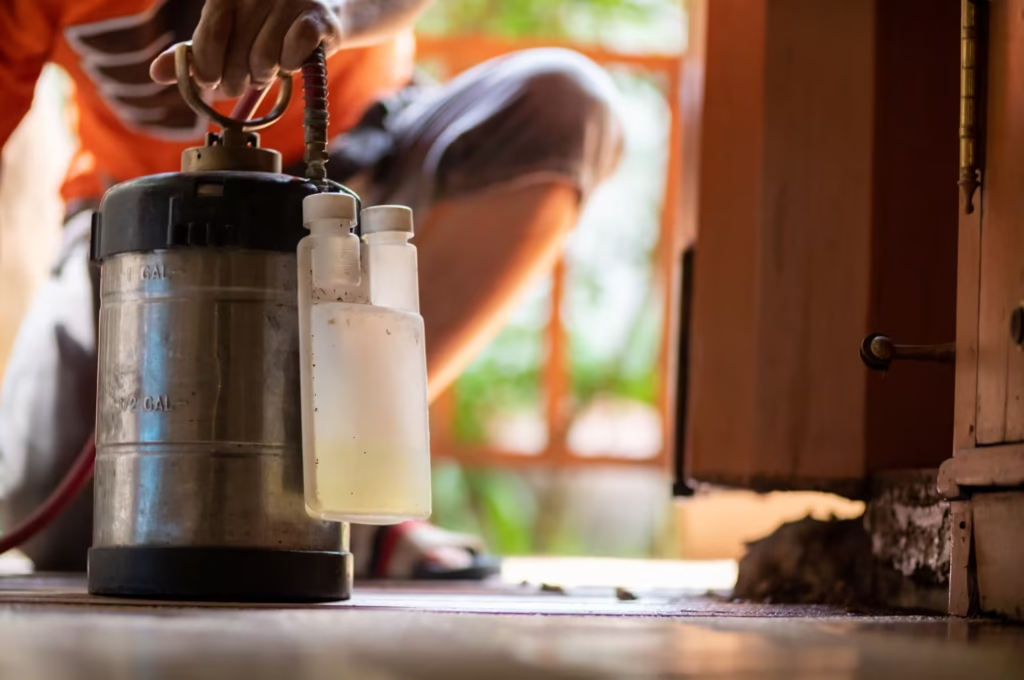
Your kitchen is the heart of your home, but it can quickly become an unwelcome gathering place for ants if proper prevention measures aren’t in place. This ultimate guide to ant prevention in your kitchen will equip you with comprehensive strategies to keep these persistent invaders at bay, protecting your food, maintaining hygiene standards, and preserving your peace of mind. Understanding why ants are drawn to kitchens and implementing targeted prevention techniques is far more effective than constantly battling established infestations.
Ants are among the most common household pests, and kitchens provide everything they need to thrive: food sources, water, and entry points. Once ants discover a reliable food source in your kitchen, they leave invisible pheromone trails that guide thousands of their colony members directly to your countertops, pantry, and dining areas. The ultimate guide to ant prevention in your kitchen focuses on breaking this cycle before it starts, using proven methods that address root causes rather than just treating symptoms.
Effective ant prevention requires understanding ant behavior, identifying vulnerabilities in your kitchen environment, and implementing consistent maintenance practices that make your kitchen unattractive to these determined pests. This comprehensive approach not only prevents current problems but also creates long-term protection that keeps your kitchen ant-free season after season.
Understanding Why Ants Invade Kitchens
Ants are highly social insects driven by basic survival needs that your kitchen abundantly provides. Food represents the primary attraction, with ants capable of detecting even microscopic crumbs and food residues that humans cannot see. Sugar, grease, protein, and carbohydrates all attract different ant species, making kitchens with diverse food sources particularly vulnerable to multiple types of infestations.
Water sources constitute the second major attractant for ants in kitchens. Leaky faucets, standing water in sink drains, pet water bowls, and even condensation around appliances provide the moisture ants need for survival. Many homeowners overlook these water sources when addressing ant problems, focusing solely on food elimination while leaving critical moisture attractants in place.
Kitchen environments also offer ideal conditions for ant colony establishment. The consistent warmth from appliances, abundant hiding places behind cabinets and appliances, and multiple entry points create perfect conditions for ant populations to establish themselves and grow rapidly.
Pheromone trails play a crucial role in kitchen ant infestations. When scout ants discover food sources, they lay chemical trails that persist long after the initial food source is removed. These invisible highways guide other ants directly to your kitchen, creating the appearance of sudden massive infestations when in reality, the trail system has been building over time.
Different ant species exhibit varying preferences and behaviors in kitchen environments. Understanding which species you’re dealing with influences the most effective prevention strategies and helps explain why some approaches work better than others for different situations.
Common Kitchen Ant Species and Their Behaviors
Identifying the specific ant species in your kitchen is crucial for implementing targeted prevention strategies. Each species has unique preferences, behaviors, and vulnerabilities that influence the most effective control approaches.
Pavement ants are among the most common kitchen invaders, recognizable by their small size and dark brown color. These ants prefer greasy foods and are often found around cooking areas, garbage cans, and pet food bowls. They typically enter kitchens through cracks in foundations or gaps around pipes and establish trails along baseboards and cabinet edges.
Little black ants, despite their name, range from dark brown to jet black and are extremely small, making them difficult to spot until populations become large. These ants prefer sweet foods and are commonly found around sugar bowls, fruit bowls, and sticky spills. Their size allows them to exploit very small entry points that larger ant species cannot access.
Pharaoh ants present particular challenges in kitchen environments because they prefer warm, humid conditions and can establish multiple colony sites within a single building. These small, light-colored ants are attracted to both sweet and greasy foods and are notorious for contaminating sterile environments, making them especially concerning in food preparation areas.
Carpenter ants in kitchens typically indicate moisture problems, as these large ants prefer areas with water damage or high humidity. While they don’t eat wood like termites, they excavate galleries in moisture-damaged wood, potentially causing structural problems if left unchecked. Their presence in kitchens often signals plumbing leaks or ventilation issues that require attention.
Crazy ants, named for their erratic movement patterns, are increasingly common in many regions and present unique challenges because they don’t respond well to traditional baiting strategies. These ants are attracted to electrical equipment and can cause appliance malfunctions, making their presence in kitchens particularly problematic.
What Attracts Ants to Kitchens Most?
Understanding the primary attractants that draw ants to kitchens is essential for effective prevention. Food sources top the list, but the specific types of food and how they’re stored significantly influence ant attraction levels.
Sugary substances represent the most powerful ant attractants. This includes obvious sources like spilled sugar, honey, and syrup, but also less obvious attractants like fruit juices, soda residues, and even the natural sugars in fresh fruit. Many homeowners are surprised to learn that even microscopic sugar residues from wiping counters with sweet drinks can attract ant scouts.
Greasy and protein-rich foods attract different ant species than sugary substances. Cooking oils, meat drippings, pet food, and even crumbs from savory snacks create powerful attractants that can persist long after visible signs are cleaned away. These attractants often accumulate in hard-to-clean areas like behind appliances and in cabinet corners.
Moisture sources often receive less attention than food but play equally important roles in ant attraction. Sink areas, dishwasher leaks, refrigerator drip trays, and even humid conditions around certain appliances create attractive conditions for many ant species. Some ants are more motivated by water than food, particularly during hot, dry weather.
Food storage containers with inadequate seals represent ongoing attractants that many homeowners overlook. Cardboard boxes, loosely sealed bags, and containers with damaged lids allow food odors to escape and attract ant scouts. Even containers that appear sealed may have microscopic gaps that ants can detect and exploit.
Garbage and recycling areas concentrate multiple attractants in single locations, making them particularly appealing to ant colonies. Sticky residues on recycling containers, food scraps in garbage cans, and organic matter in disposal systems create concentrated attractant sources that can support large ant populations.
How Do I Seal Entry Points to Prevent Ants?
Sealing entry points represents one of the most effective long-term strategies for ant prevention in kitchens. Ants can exploit surprisingly small gaps, so thorough inspection and sealing require attention to detail and appropriate materials for different types of openings.
Start your inspection at floor level, examining the junction between flooring and walls, particularly around cabinets and appliances. Look for gaps where different flooring materials meet, cracks in tile grout, and spaces where baseboards don’t fit tightly against walls. These lower-level entry points are often overlooked but provide primary access routes for many ant species.
Plumbing penetrations represent major entry points that require careful sealing. Check around sink plumbing, dishwasher connections, refrigerator water lines, and any other areas where pipes or hoses enter through walls or floors. Use expandable foam sealant for larger gaps and high-quality caulk for smaller openings, ensuring all materials are appropriate for kitchen environments.
Cabinet and appliance areas often contain numerous small gaps that collectively provide significant access opportunities for ants. Pull out lower cabinets and appliances when possible to inspect behind them, checking for gaps around mounting hardware, utility connections, and junction points between different cabinet sections.
Window and door areas require special attention, particularly in kitchens with exterior access. Check weatherstripping around doors, gaps around window frames, and areas where trim meets walls. Replace worn weatherstripping and seal gaps with appropriate materials that won’t interfere with normal operation.
Electrical and cable penetrations often receive less attention but can provide significant access routes. Check around electrical outlets, light switches, cable connections, and any other points where wiring enters the kitchen. Use appropriate electrical-safe sealants that won’t interfere with electrical safety or building codes.
Natural Ant Deterrents for Kitchen Use
Natural ant deterrents offer safe, family-friendly options for kitchen ant prevention that won’t contaminate food preparation areas or pose risks to children and pets. While these methods may require more frequent application than chemical alternatives, they provide effective prevention when used consistently.
Essential oils represent some of the most effective natural ant deterrents, with peppermint, tea tree, lemon, and cinnamon oils showing particular promise. Create barrier treatments by mixing a few drops of essential oil with water in a spray bottle and applying to ant entry points, trails, and problem areas. Reapply every few days or after cleaning for continued effectiveness.
White vinegar disrupts ant pheromone trails and creates an environment that most ant species avoid. Use undiluted white vinegar to clean surfaces where ants have been active, paying particular attention to areas around sinks, countertops, and cabinet edges. The strong odor dissipates quickly for humans but continues to deter ants for extended periods.
Coffee grounds, both used and fresh, contain compounds that many ant species find repellent. Sprinkle dry coffee grounds around entry points, along ant trails, and in areas where ants are commonly seen. Replace the grounds weekly or when they become damp to maintain effectiveness.
Cinnamon, either ground or in stick form, creates barriers that ants typically avoid. Sprinkle ground cinnamon along baseboards, around entry points, and near ant trails. Cinnamon sticks can be placed in cabinets, pantries, and other areas where ground spices might create cleaning challenges.
Diatomaceous earth, specifically food-grade quality, damages ant exoskeletons and provides long-lasting protection when applied in dry areas. Apply thin lines of diatomaceous earth along ant trails and entry points, but avoid areas where it might become wet, as moisture eliminates its effectiveness.
Citrus peels contain oils that repel many ant species and can be strategically placed around kitchens. Fresh peels from lemons, oranges, and grapefruits can be placed near entry points, but replace them regularly before they become moldy or attract other pests.
Proper Food Storage to Prevent Ant Infestations
Effective food storage represents the cornerstone of kitchen ant prevention, eliminating the primary attractants that draw ants into your cooking and dining spaces. Proper storage techniques not only prevent current ant problems but also reduce the likelihood of future infestations.
Airtight containers made from glass, heavy plastic, or metal provide the best protection against ant intrusion. Transfer dry goods like cereals, flour, sugar, and snacks from their original packaging into containers with tight-fitting lids. Choose containers with gasket seals when possible, as these provide superior protection against even the smallest ant species.
Refrigerated storage extends beyond obvious items to include many products that homeowners commonly leave at room temperature. Items like bread, certain fruits, opened jars of jam or honey, and even some spices benefit from refrigerated storage in ant-prone areas. The cold environment eliminates odors that attract ants and makes these items completely inaccessible to pest intrusion.
Pantry organization plays a crucial role in ant prevention by making inspection easier and reducing hiding places where problems can develop unnoticed. Use clear containers when possible to allow visual inspection of contents, and maintain organized storage that allows easy access for cleaning and pest monitoring.
Pet food storage requires special attention because pet foods are particularly attractive to many ant species. Store dry pet food in airtight containers and avoid leaving pet food bowls out overnight. Establish feeding schedules that minimize the time food is available to attract ants, and clean up spills immediately.
Counter storage should be minimal and strategic, focusing on items in ant-proof containers. Avoid leaving fruit, bread, or other perishables on countertops in open containers. When counter storage is necessary, use containers with tight-fitting lids and maintain scrupulous cleanliness around these areas.
Garbage and recycling storage significantly impacts ant attraction levels. Use garbage cans with tight-fitting lids, empty them regularly, and clean them periodically to remove residues that attract ants. Rinse recycling containers before storage and consider keeping recycling bins outside when possible to reduce attractants in the kitchen.
What Are the Most Effective Ant Prevention Methods?
The most effective ant prevention methods combine multiple approaches that address different aspects of ant attraction and access. No single method provides complete protection, but integrated strategies create comprehensive barriers that effectively exclude ants from kitchen environments.
Sanitation represents the foundation of effective ant prevention, involving more than basic cleaning. Effective sanitation includes immediate cleanup of spills, regular deep cleaning behind appliances, daily maintenance of sink and counter areas, and systematic elimination of food residues that accumulate in hard-to-reach areas.
Exclusion techniques focus on physically preventing ant access through sealing, barriers, and structural modifications. This includes comprehensive sealing of entry points, installation of door sweeps, repair of damaged screens, and elimination of bridges that ants use to access upper levels of kitchen structures.
Moisture control addresses water sources that attract many ant species and support colony establishment. Fix plumbing leaks promptly, improve ventilation in humid areas, eliminate standing water, and address condensation problems around appliances and in storage areas.
Monitoring systems help detect ant activity before infestations become established, allowing for prompt intervention when problems are still manageable. This includes regular inspection of known problem areas, use of sticky traps to monitor ant activity, and awareness of seasonal patterns that indicate increased ant pressure.
Landscape management around kitchen exterior walls influences ant pressure by eliminating outdoor harborage and reducing attractants near your home. This includes maintaining vegetation clearances, eliminating moisture sources near foundations, and removing outdoor attractants that support ant populations near your kitchen.
Professional consultation can provide valuable insights for persistent problems or high-risk situations. Professional pest control experts can identify species-specific vulnerabilities, recommend targeted strategies, and provide ongoing monitoring that ensures long-term success.
How Often Should I Clean to Prevent Ants?
Establishing appropriate cleaning frequencies for ant prevention requires understanding which areas require daily attention and which can be maintained with less frequent deep cleaning. Consistency matters more than intensity, as regular light cleaning prevents the accumulation of attractants that draw ant scouts.
Daily cleaning should focus on food preparation areas, including wiping down countertops, cleaning up spills immediately, washing dishes promptly, and removing food debris from sink areas. Pay particular attention to areas around appliances where crumbs and spills commonly accumulate but may be overlooked during routine cleaning.
Weekly deep cleaning should address areas that don’t receive daily attention but can accumulate attractants over time. This includes cleaning behind small appliances, wiping down cabinet fronts and hardware, cleaning sink drains and garbage disposals, and addressing areas under and around large appliances when accessible.
Monthly maintenance should include more intensive cleaning of hard-to-reach areas and comprehensive inspection for developing problems. Pull out appliances when possible to clean behind them, clean refrigerator drip trays and coils, deep clean garbage cans and recycling containers, and inspect for signs of moisture problems or pest activity.
Seasonal cleaning provides opportunities for comprehensive ant prevention maintenance, including inspection and resealing of entry points, deep cleaning of pantry areas, professional appliance maintenance that may reveal pest harborage areas, and assessment of outdoor conditions that might influence indoor ant pressure.
Event-based cleaning becomes necessary after cooking projects, parties, or other activities that create unusual amounts of food residue or spills. These situations require immediate attention to prevent attracting ant scouts that might establish trails leading to your kitchen.
Creating Your Personal Ant Prevention Schedule
Developing a systematic approach to kitchen ant prevention ensures consistent implementation of effective strategies while making the task manageable within your regular household routine. A well-designed schedule addresses all aspects of ant prevention without creating overwhelming maintenance burdens.
Daily routines should integrate seamlessly with existing kitchen activities, focusing on high-impact tasks that require minimal additional time. This includes immediate spill cleanup, proper food storage after meals, basic counter cleaning, and removal of dirty dishes and food debris that might attract overnight ant scouting.
Weekly tasks can be scheduled during regular house cleaning routines, focusing on deeper cleaning and maintenance activities that support long-term ant prevention. Schedule these tasks during times when you can access areas behind appliances and perform more thorough cleaning of areas that don’t receive daily attention.
Monthly inspection and maintenance activities ensure that prevention measures remain effective and allow for early detection of developing problems. Use these sessions to assess the effectiveness of current strategies, identify areas needing additional attention, and make adjustments based on seasonal changes or observed ant activity.
Seasonal preparation helps adapt your ant prevention strategy to changing conditions throughout the year. Spring preparation should focus on sealing entry points and addressing winter damage, summer preparation should emphasize moisture control and cooling system maintenance, fall preparation should address food storage and harvest season attractants, and winter preparation should focus on indoor conditions that might attract overwintering ants.
Documentation and tracking help refine your prevention strategy over time by identifying patterns, successful techniques, and areas needing additional attention. Keep simple records of cleaning activities, any ant sightings, seasonal changes in ant pressure, and the effectiveness of different prevention methods you’ve tried.
Take Control of Your Kitchen Today
The ultimate guide to ant prevention in your kitchen provides you with comprehensive strategies to create and maintain an ant-free cooking environment. Success depends on consistent implementation of multiple prevention techniques rather than relying on any single approach to solve complex pest challenges.
Remember that ant prevention is always more effective and less expensive than treating established infestations. The time and effort you invest in prevention measures now will pay dividends in reduced pest problems, improved kitchen hygiene, and greater peace of mind throughout the year.
Start implementing these prevention strategies immediately, beginning with the most critical areas and gradually expanding your efforts to include comprehensive kitchen ant-proofing. Focus on consistency rather than perfection – regular implementation of basic prevention measures provides better results than sporadic intensive efforts.
Don’t wait until you see ant activity to begin your prevention program. Ant scouts are constantly searching for new food sources, and even small attractants can lead to major infestations once pheromone trails are established in your kitchen.
If you’re currently dealing with ant problems or want professional guidance on implementing these prevention strategies, consider consulting with a licensed pest control professional. Expert technicians can provide species identification, assess your specific risk factors, and develop customized prevention plans that ensure your kitchen remains ant-free year-round. Take the first step toward a permanently ant-free kitchen today – your family’s comfort and your home’s cleanliness depend on the actions you take now.