
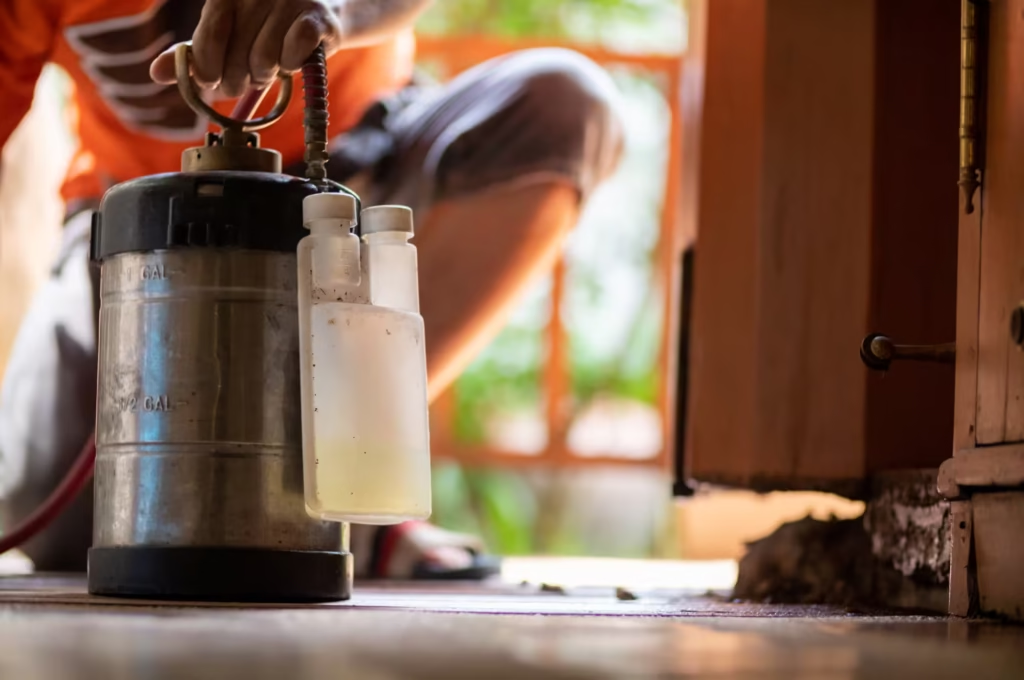
Your garage serves as more than just a place to park your car or store holiday decorations. For many Eureka residents, it’s a workshop, storage area, and often an unofficial entry point to the home. Unfortunately, this multi-purpose space also happens to be a prime target for unwanted pests looking for shelter, food, and a pathway into your living areas.
Living along California’s beautiful North Coast comes with its unique challenges when it comes to pest control. The mild, humid climate that makes Eureka such a pleasant place to live also creates ideal conditions for various pests to thrive year-round. Your garage, with its combination of shelter, storage items, and often inconsistent temperature control, becomes an attractive destination for everything from mice and rats to spiders and carpenter ants.
Understanding how to protect your garage from pest infestations isn’t just about maintaining a clean storage space. It’s about creating a barrier that prevents these unwanted visitors from making their way into your home, where they can cause significant damage and pose health risks to your family.
Why Garages Become Pest Magnets
Garages present the perfect storm of conditions that attract pests. Unlike the main living areas of your home, garages typically lack the consistent climate control and regular cleaning that deter unwanted visitors. The concrete floors often develop small cracks over time, creating entry points for insects and small rodents. Door seals wear down, leaving gaps that might seem insignificant to us but represent highways for determined pests.
Storage practices in garages often inadvertently create pest-friendly environments. Cardboard boxes provide nesting materials for rodents, while stored pet food, birdseed, or even grass seed can serve as feast opportunities. Garden tools and lawn equipment may carry soil and organic matter that harbor insects, and the combination of moisture from car condensation and poor ventilation creates the humid conditions many pests prefer.
The garage’s role as a transition space between outdoors and indoors makes it particularly vulnerable. Every time you open the garage door, you’re essentially rolling out the welcome mat for flying insects, and items brought in from the yard or garden can unknowingly transport pest eggs or larvae into this protected environment.
Common Garage Pests in the Eureka Area
The North Coast’s temperate climate means that Eureka residents deal with pest pressures throughout much of the year, rather than just during traditional “pest season” months. The proximity to both forested areas and agricultural land means that garages often serve as staging areas for pests transitioning between outdoor habitats and human dwellings.
Rodents: The Most Persistent Problem
Mice and rats top the list of garage pest concerns for good reason. These adaptable creatures view your garage as prime real estate, offering shelter from Eureka’s frequent rains and fog while providing easy access to potential food sources. Norway rats, common throughout California, are particularly problematic because of their size and their tendency to gnaw through various materials, including plastic storage containers and even soft metals.
House mice, while smaller, multiply rapidly and can squeeze through openings as small as a dime. They’re particularly drawn to garages during the cooler months when outdoor food sources become scarce. The paper and fabric materials commonly stored in garages provide perfect nesting materials, and these rodents can quickly establish colonies if left unchecked.
Roof rats, another common species in coastal California, are excellent climbers and may enter garages through roof lines or utility openings. Their presence often goes unnoticed initially because they tend to stay in higher areas, but their droppings and the damage they cause to stored items eventually reveal their presence.
Insects and Arthropods
The insect population in Eureka garages reflects the area’s diverse ecosystem. Carpenter ants are particularly concerning because they don’t just seek food—they actively tunnel through wood structures, potentially causing structural damage over time. Unlike termites, carpenter ants don’t eat wood, but they excavate it to create nesting galleries, and garage framing can be an attractive target.
Spiders are virtually inevitable in garage environments, with common house spiders and cellar spiders establishing webs in corners and undisturbed areas. While most are harmless and actually beneficial by controlling other insects, their presence indicates that your garage is hosting the smaller insects they feed on.
Silverfish thrive in the humid conditions that garages often develop, particularly during Eureka’s foggy periods. These insects feed on paper, cardboard, and fabric, making stored documents, books, and clothing vulnerable to damage.
Recognizing the Signs of a Garage Pest Problem
Early detection of pest activity can save you significant time, money, and frustration. Many homeowners overlook the subtle signs of pest presence until the problem has grown substantially, but learning to recognize the early warning signs allows for prompt intervention.
Droppings represent the most obvious indicator of rodent activity. Mouse droppings are small and pellet-shaped, typically found along walls and near food sources, while rat droppings are larger and more elongated. Fresh droppings appear dark and moist, while older ones become dusty and gray.
Gnaw marks on storage containers, cardboard boxes, or even garage infrastructure indicate active rodent feeding. Mice and rats have continuously growing teeth, so they gnaw constantly to keep them worn down. Plastic storage containers often show small, clean bite marks along edges, while cardboard may have larger, more ragged tears.
Unusual sounds, particularly scratching or scurrying noises during quiet periods, often indicate rodent activity. These sounds are most noticeable during dawn and dusk hours when many pests are most active.
Evidence of nesting, such as shredded paper, fabric, or insulation gathered in corners or behind stored items, suggests that pests have moved beyond simple foraging and are establishing residence in your garage.
Effective DIY Prevention Strategies
Prevention remains the most cost-effective and reliable approach to garage pest control. By making your garage less attractive and accessible to pests, you can significantly reduce the likelihood of infestations developing.
Sealing entry points represents your first line of defense. Walk around your garage systematically, examining the junction between the foundation and walls, around door frames, and anywhere utilities enter the structure. Even small gaps should be sealed with appropriate materials—steel wool works well for small holes that rodents might enlarge, while larger gaps may require hardware cloth or metal flashing.
Storage practices play a crucial role in pest prevention. Replace cardboard boxes with sealed plastic containers whenever possible, as cardboard provides both food and nesting material for many pests. Store pet food, birdseed, and fertilizers in metal or thick plastic containers with tight-fitting lids. Elevation is also important—keeping items off the floor on shelving or pallets eliminates hiding spaces and makes cleaning easier.
Regular cleaning disrupts pest establishment and removes the food sources and nesting materials they seek. Sweep floors regularly, wipe up spills immediately, and periodically reorganize storage areas to disturb any potential nesting sites.
Moisture control is particularly important in Eureka’s climate. Ensure proper ventilation, repair any roof leaks promptly, and consider using a dehumidifier if your garage tends to stay humid. Address any plumbing leaks immediately, as water sources are often the deciding factor in whether pests choose to establish residence.
Seasonal Considerations for North Coast Residents
Eureka’s climate patterns create predictable pest pressure cycles that homeowners can prepare for. The wet winter months drive many pests indoors seeking dry shelter, making fall the critical time for ensuring your garage is properly sealed and organized. Spring emergence often brings increased insect activity as temperatures warm, while summer’s drier conditions may actually increase pressure on indoor water sources.
When to Call Professional Pest Control Services
While prevention and early intervention can handle many pest situations, certain circumstances warrant professional expertise. Active infestations, particularly of rodents, often require professional-grade tools and techniques to eliminate completely. Rodents are intelligent and adaptable, and incomplete elimination efforts often result in survivors that become more cautious and harder to control.
Recurring problems, even after implementing prevention measures, suggest that there may be structural issues or entry points that require professional assessment. Pest control professionals have the experience to identify subtle access routes and contributing factors that homeowners often miss.
Health and safety concerns also indicate the need for professional intervention. Large rodent infestations can pose disease risks, particularly in areas where food is stored or prepared. Professional pest control services have the proper equipment and training to handle contaminated areas safely.
Structural damage, such as evidence of carpenter ant tunneling or extensive rodent gnawing, requires both pest elimination and assessment of the damage extent. Professional services can coordinate pest control with necessary repairs to prevent re-infestation.
Choosing the Right Pest Control Service in Eureka
When selecting professional pest control services in the Eureka area, look for companies that demonstrate understanding of local pest pressures and climate challenges. Companies familiar with North Coast conditions will be better equipped to provide effective, long-term solutions rather than temporary fixes.
Experience with garage-specific pest control is valuable, as these spaces present unique challenges different from general household pest control. Ask potential service providers about their approach to garage pest control and whether they offer integrated pest management strategies that combine elimination with prevention.
Licensing and insurance are non-negotiable requirements. California requires pest control operators to be licensed, and reputable companies will readily provide proof of their credentials. Insurance protects both you and the service provider in case of unexpected issues during treatment.
Local companies often provide advantages in terms of response time, understanding of local pest populations, and ongoing service relationships. They’re also more likely to be familiar with common construction styles and pest pressure points specific to Eureka-area homes.
At Eureka Pest Control, we understand the unique challenges that North Coast homeowners face when it comes to garage pest control. Our experience with local pest populations and climate conditions allows us to provide targeted solutions that address both immediate pest problems and long-term prevention strategies.
Don’t let garage pests become a gateway to larger home infestations. If you’re dealing with signs of pest activity in your garage, or if you want to implement professional-grade prevention measures, contact Eureka Pest Control today. Our team can assess your specific situation and develop a customized approach that protects your garage and your home from unwanted pests year-round.